
The potential reach and application of offshore wind energy becomes increasingly viable with the innovation of new, more powerful technology. The climate is changing, and in the face of a global push for greener energy production, these technological improvements are coming faster than ever before.
Just a few years ago, in 2023, Singapore had reportedly “low potential” for generating significant wind power, and lower interest in the industry as a whole. By 2024, however, the government had committed to stepping up its efforts in offshore wind — thanks in part to better technical capabilities, and adapting geopolitical interests.
With our founder, Jana’s, upcoming trip to Singapore fast approaching, we thought it would be interesting to explore the country’s changing relationship with offshore wind.
How is international cooperation and networking helping to close the tech/production/operations loop for emerging Southeast Asian economies? And where do we (and a brand and a broader community) fit into this changing landscape?
Let’s dive in!
Turn environmental uncertainty into operational clarity…
From vessel planning to asset protection, NeuWave’s environmental data tools give offshore teams the insight they need to reduce risk, improve timing, and make informed decisions across the full project lifecycle.
What is Singapore’s main source of power?
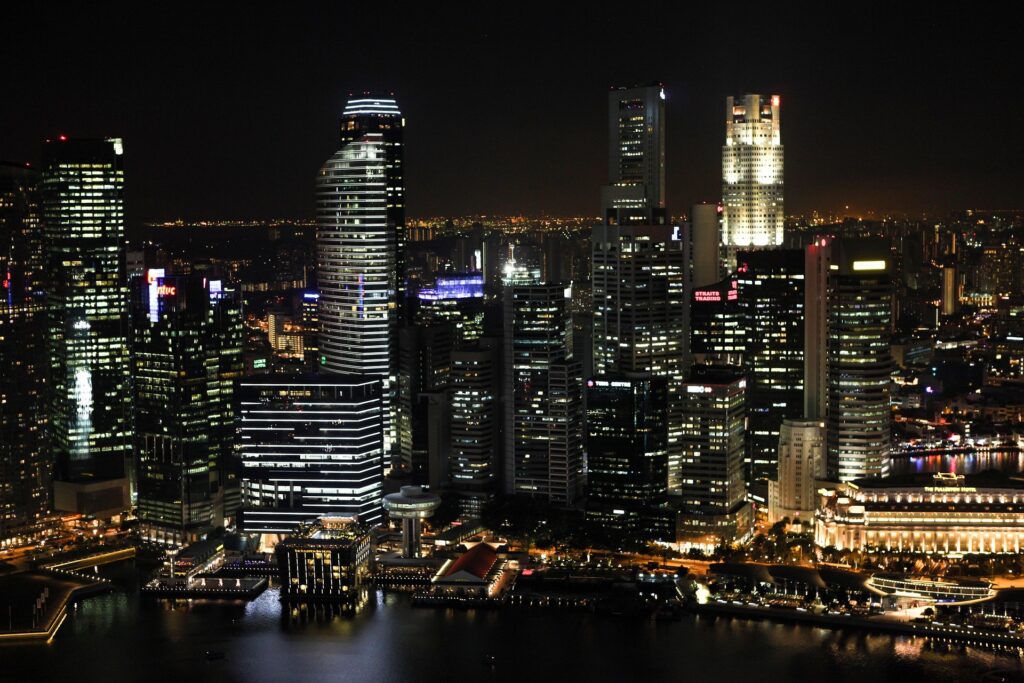
Singapore is primarily reliant on natural gas for its energy supply, with this making up a colossal 95% of the state’s annual demand. Other singificant sources include diesel, coal, biomass, and waste incineration, according to the EMA (Singapore Authority).
Whilst this remains reliable enough for now, pitting so much on a single source of energy (or indeed on any single resource) is detrimental to a state’s overall security. The power sector alone also accounts for approximately 40% of Singapore’s total emissions, highlighting the necessity for greener methods.
Singapore’s authorities have now started to acknowledge these limitations, termed the “energy trilemma”, and are pushing a new (albeit tentative) approach to renewable energy production.
What are the 4 switches of Singapore’s energy source?
Dubbed the “4 switches”, Singapore’s new approach to renewables is anchored on four pillars. Announced originally in 2019, these include:
- Natural gas: Improve efficiency and better equipment, rather than complete replacement
- Solar: High generation potential, investment in energy storage systems to counter intermittency
- Regional Power Grids: Exploring cost-competitive, collaborative access to regional power grids
- Low-Carbon Alternatives: Carbon capture, utilisation and storage, hydrogen technologies
Singapore achieved its 2020 solar targets within the first quarter of that year, and has continued to achieve promising growth in the sector. The state is on target to reach its solar targets for the end of the decade – aiming at a capacity of min 2 GW.
Singapore’s offshore wind energy potential
Offshore wind is notably absent from the 4 Switches expressed directly by Singapore’s government back in 2019, and this wasn’t an accident. The reality of domestic generation is a bit of a mixed bag.
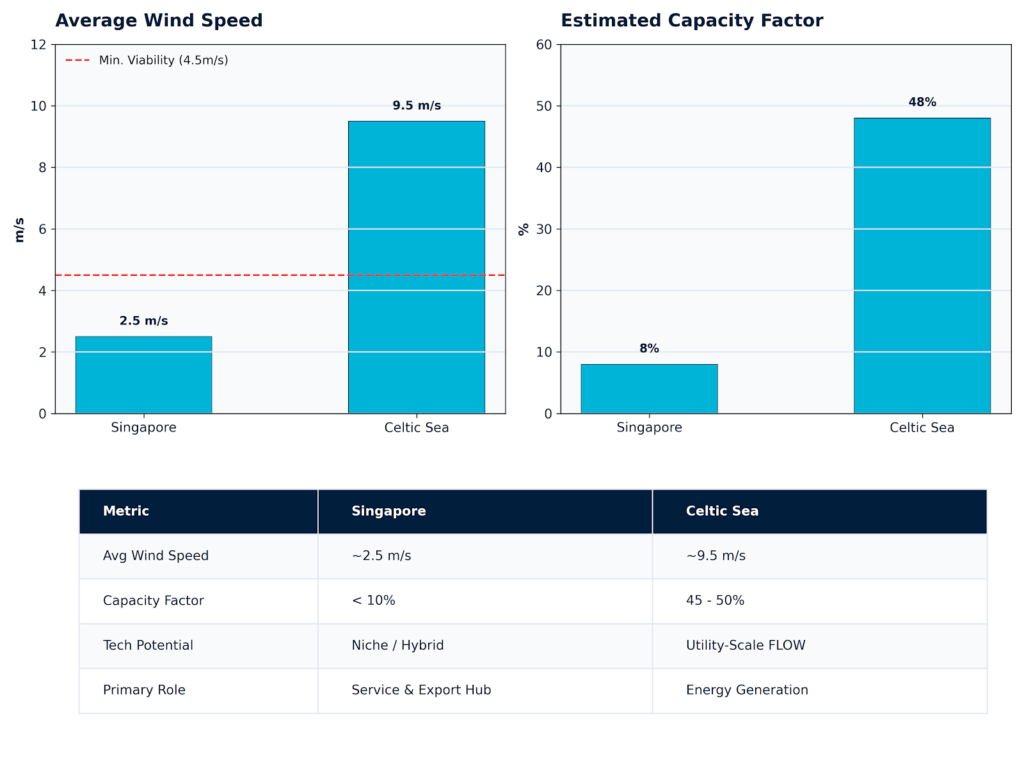
Figure 1: Comparative speculative figures for offshore wind power outputs in Singapore vs Celtic Sea (UK)
Technically, Singapore’s natural wind potential is considered low to negligible for large-scale commercial use. With average wind speeds hovering around 2.5 m/s at the most, the offshore wind potential sits well below the 4.5 m/s “cut-in” speed most turbines need to even start turning.
Combined with some of the world’s busiest shipping lanes and a lack of available sea space, building a traditional massive wind farm in our territorial waters is a tall order.
Singapore in Southeast Asia – regional wind power resources
Despite a bit of a slow start, Singapore has recognised the potential for wind energy within its diversifying energy mix. With the goal of reducing reliance on fossil fuels and boosting the country’s energy security in response to climate challenges, it’s also a commitment to getting more green energy onto the grid.
In May 2025, energy companies from Singapore, Malaysia, and Vietnam signed a joint development agreement that would facilitate cross-border collaboration (with a focus on exporting offshore wind power from Vietnam via new subsea cable networks).
The goal, eventually, is to scale this collaborative approach around the Southeast Asia region.
But when we talk about “potential,” we have to look at two separate conditions: what Singapore can generate in its own backyard, and how it’s positioning itself as the brain of the regional industry.
Ultimately, offshore wind power potential in Singapore itself is generally still considered low to negligible. But Singapore aims to leverage its strategic geographical location and extensive maritime expertise to optimise the potential of its offshore wind ventures.
If the cards are played right, then the small state has the potential to establish itself as a regional hub for renewable energy innovation and operations.
What are the main challenges for developing offshore wind farms near Singapore?
While the ambition is there, there are very real and very physical roadblocks before developing offshore wind capacity in Singapore.
- Upgrading grid and infrastructure
The reality is that the state’s infrastructure and grid capacity was designed for steady, predictable supply from natural gas. The on-again, off-again nature of wind power means transitioning to a system that can handle surges of imported power.
Even at the most basic level, it’s going to take advanced battery storage just to keep the lights from flickering when wind stops blowing, even if it’s imported from Vietnam.
- High comparative price of renewables
For emerging economies in Southeast Asia, the high upfront cost of offshore wind can be a tough pill to swallow. While prices are dropping globally, the cost of capital in this region remains high (sometimes double that of Europe), making it difficult for offshore wind in Singapore to compete with cheaper fossil fuel models.
- Maritime traffic congestion and obstruction
Even in the UK, where ports are less busy and lanes typically aren’t as congested, there are bottlenecks caused by poor management and scheduling (don’t worry, we’re working on it!)
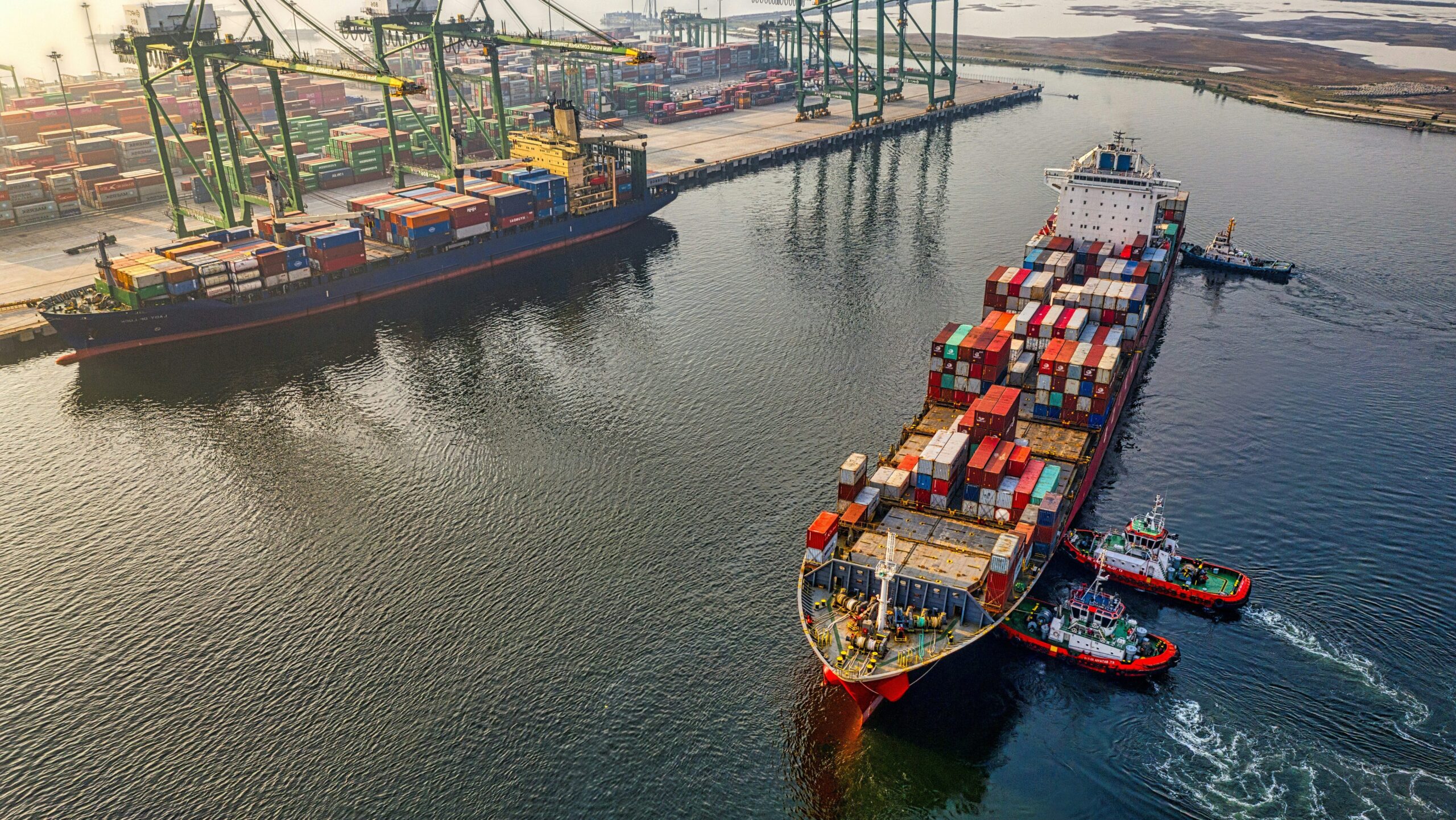
Singapore is home to some of the world’s busiest shipping lanes, and trying to find a quiet spot to anchor a massive floating turbine without obstructing a global trade artery is a logistical nightmare.
- The climate paradox
At the end of the day, Singapore’s tropical environment is actually quite harsh on tech. Offshore renewables assets get damaged easier, and are therefore often more expensive to design, construct, and operate.
More humid conditions and exposure to salt spray means equipment wears out faster, leading to higher maintenance costs than you might see in the cooler Celtic Sea (to go back to our previous comparison).
NeuWave in Singapore – continuing our global networking
As Singapore pivots towards capturing regional offshore wind opportunities, it’s leveraging a world-class engineering ecosystem to close the loop between tech and production.
We see this international synergy is the recent completion of sea trials for Maersk’s pioneering wind turbine installation vessel (WTIV) in the South China Sea – a project completed in Singapore in collaboration with Denmark.
This spirit of collaboration is exactly why NeuWave is heading to Singapore Maritime Week 2026. It’s a chance to take a deep dive into the local market forces to understand what’s working, what isn’t, and how attitudes toward offshore wind have evolved.
Our founder Jana has mentioned that she’s particularly keen to see how our data products can support the region’s unique boat-building leadership.
By aligning our live feeds and hindcast insights with Singapore’s maritime expertise, we’re helping to navigate the complexities of this evolving market and power a sustainable blue economy
Singapore’s offshore wind future won’t look like the UK’s. It probably won’t host vast offshore wind farms off its own coastlines anytime soon; but it also isn’t sitting on the sidelines of offshore renewables anymore, either.
By leaning into regional partnerships, maritime expertise, and energy innovation, the state is carving out a different (*and potentially influential) role in Southeast Asia’s offshore wind future. Sometimes leadership isn’t about resource abundance, but about knowing where you fit in the system.
Data that works as hard as your team…
NeuWave’s metocean analytics support everything from early-stage feasibility to day-to-day operations, translating complex ocean conditions into practical insight for safer, more resilient offshore wind activity.