
The UK has arguably some of the best offshore wind resources in the world. Turning that natural advantage into reliable and affordable power, however, depends on far more than wind speeds. It requires a supply chain capable of delivering clean power from increasingly remote sites in complex conditions.
As ambition grows, so too does the importance of the networks, skills, materials, methodologies, and data systems that quietly power the sector behind the scenes. Record levels of potential wind energy was wasted last year, and if offshore wind is to lead the UK’s clean energy charge; it needs to address the supply chain issues at its core.
Let’s dive in!
Turn offshore uncertainty into confident project decisions…
NeuWave delivers high-resolution metocean data and intelligent planning tools that help offshore wind teams optimise weather windows, manage risk, and improve installation, maintenance, and insurance outcomes across the full project lifecycle.
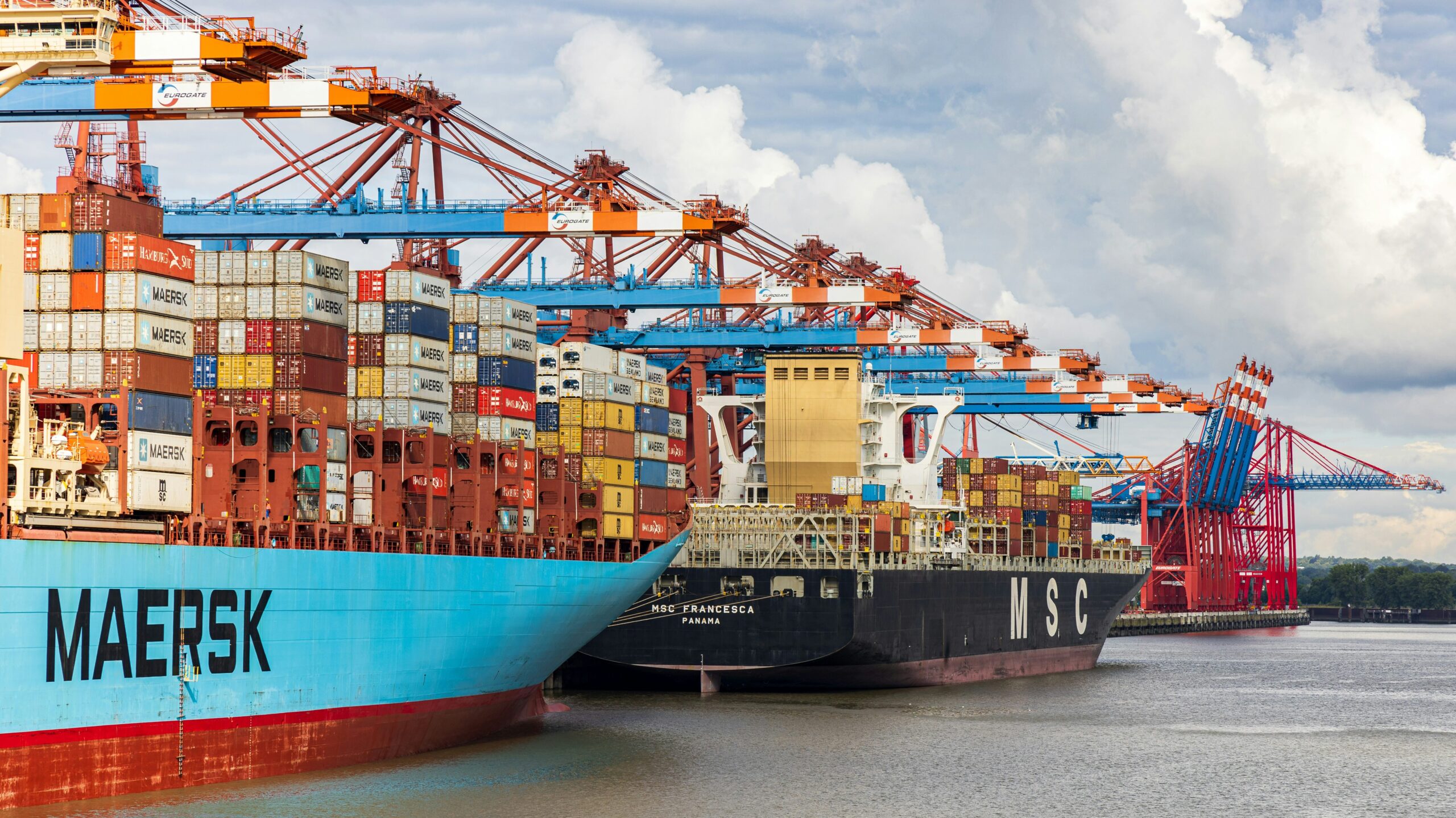
The UK’s offshore wind supply chain
In October last year (2025) the government claimed that its aim is to create 400,000 new jobs in the energy sector (with particular priority going to offshore wind and other renewables) and plans to spend billions updating the sector’s supply chain. These skilled positions will support planned expansions to the UK’s offshore renewables capacity.
The process of transferring offshore wind energy from turbines to homes takes a complex interconnected supply chain, made up of multiple steps and diverse operations. Each element requires funding and research, specialised personnel, and carefully scheduled operations and project management.
1. Turbine design and construction
Before wind energy can be converted into electrical power, turbines need to be built. As the demands for clean energy have risen, and pushed wind farms further out to sea, technologies have also improved – from material science to construction methods – to account for the requirements of more remote or more complex sites.
- Blade and tower innovation: Manufacturers continuously refine blade aerodynamics and materials for higher efficiency and durability.
- Local fabrication hubs: UK manufacturing sites, such as steel fabricators and component yards, support jobs and reduce lead times.
- Floating turbine tech: New floating platforms are boosting opportunities in deep-water sites beyond fixed foundations.
2. Cables and transformers
Connecting offshore turbines to the grid is a major supply chain task in its own right. Subsea cables and power conversion equipment transmit the electricity generated offshore back to shore with minimal loss3. Service and maintenance
Once turbines and electrical infrastructure are operational, regular service and maintenance keep them producing reliably over decades. This requires environmental survey and site assessments that provide deep understanding, for careful scheduling of service vessels and maintenance tasks.
- Scheduled inspections: Routine checks reduce unplanned downtime and extend asset lifetimes.
- Specialist technicians: Training programmes ensure crews can service both fixed and floating turbine systems.
- Vessel logistics: Crew transfer vessels and service operation ships are essential for reaching offshore sites.
- Remote monitoring: Digital tools and sensors help pre-empt faults before they escalate.
- Spare parts supply: A resilient inventory of critical parts prevents extended outages.
4. Insurance and investment
Offshore wind farms require significant capital and risk management frameworks to support construction and long-term operation.
- Project financing: Banks, institutional investors, and green funds underwrite multi-billion-pound developments.
- Insurance coverage: Policies protect against construction risks, weather damage, and operational interruptions.
- Government incentives: Contracts-for-Difference (CfDs) and public investment programmes provide revenue certainty.
- Supply chain investment funds: Initiatives like the UK’s Supply Chain Fund and Crown Estate programmes mobilise capital for local manufacturing capacity.
Challenges and opportunities of the offshore wind sector
Despite being one of the largest offshore wind producers in the world, the UK’s offshore wind supply chain suffers from capacity bottlenecks and construction delays.
Limited global capacity for critical components (such as HV cables and large castings) is driving delays and cost inflation; similar to demand for engineers, marine crews, and HV specialists. Port, infrastructure, and scheduling constraints cause delays in construction and connection, and require significant upgrades to handle next-gen technology and future demands.
Additionally, changing materials prices and cost volatility caused by poor planning have affected financing rates, and caused high premiums in offshore insurance.
But it’s obviously not all bad news. The UK’s offshore wind sector is also one of the most innovative, and each year brings new technological advancements, improved methodologies, and emerging opportunities.
Our deep-water resource position the UK at the forefront of floating turbine deployment, and engineering and forecasting expertise has started to reduce weather-related downtime to make projects less risky. Reliable long-term policy support through initiatives such as the CfD has also led to increased confidence in the sector, boosting private and public investment.
The government are also actively putting their money where their mouth is with this one. In June 2024, the Supply Chain Accelerator was established by the Crown Estate – pumping £50m into essential sector infrastructure. An additional £13m was added last year.
In terms of future opportunities, investment in blades, cables, foundations, vessels, harbours, and general infrastructure, could anchor more value domestically. And UK expertise in engineering, surveying, and environmental services is increasingly in global demand – as we’re proving over here at NeuWave. es.
- Inter-array cables: These link turbines within a wind farm, requiring specialised laying vessels and precise manufacturing.
- Export cables: High-voltage subsea cables carry power to onshore substations.
- Transformer stations: Offshore and onshore substations step up or down voltage to match grid requirements.
- Testing and certification: Comprehensive testing ensures all electrical components operate safely under marine conditions.
Impacts of NeuWave precision data
To exploit these opportunities and build projects that stand up throughout the entire operations lifecycle, the next generation of tools that serve the offshore wind industry must combine reliable, high resolution data, with intelligent analysis and user-first accessibility.
The reality of offshore wind production is complex, and planning tools must be able to address the unique challenges posed by offshore operations.
NeuWave tools and data solutions keep these principles at the core of product design. By transforming vast metocean datasets into clear, decision-ready insights, teams can move from reactive planning to proactive risk management.
The result is greater certainty across scheduling, logistics, and financial modelling; where small improvements in environmental understanding can unlock significant operational and commercial gains.
NeuWave data supports projects that span:
- Weather window optimisation: Identifying realistic installation and maintenance windows to reduce downtime
- Risk register development: Visualising seasonal and task-specific environmental risks
- Insurance modelling: Providing evidence-based data to improve risk profiling and premiums
- Installation planning: Supporting vessel selection and scheduling with site-specific conditions
- Lifecycle asset management: Informing long-term maintenance and performance strategies
Together, these insights help projects to protect margins and operate with greater confidence in increasingly challenging offshore environments.
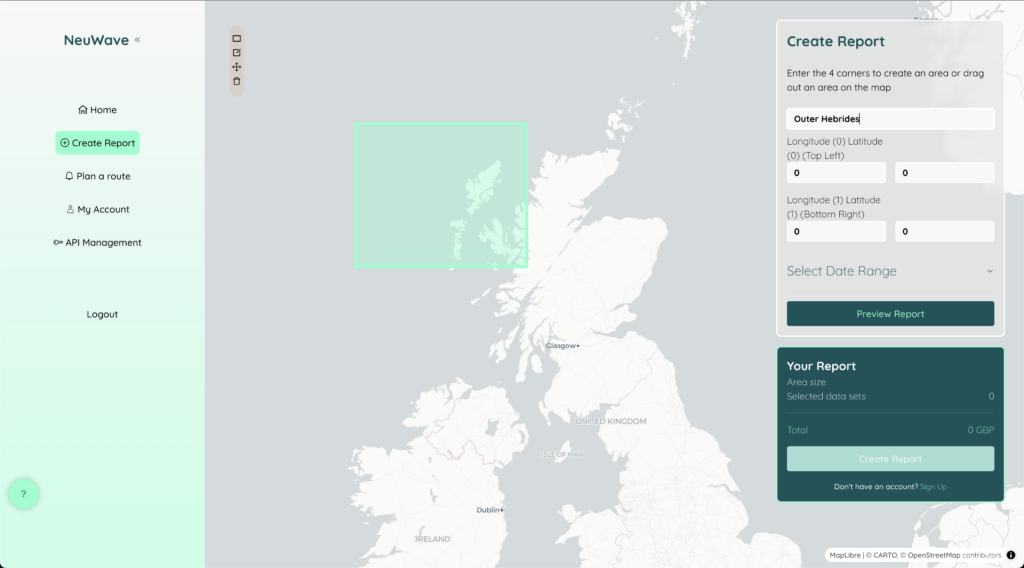
Despite its challenges, the UK offshore wind supply chain stands at a moment of enormous opportunity. Investment in ports, manufacturing, skills, and digital tools is laying the groundwork for a more resilient and competitive sector.
By combining industrial capability with high-quality data and smarter planning, the industry can deliver projects faster, more safely, and with greater confidence; helping turn offshore wind ambition into long-term energy security.
Precision data is already here…
Future proofing the UK’s offshore wind supply chain starts today. NeuWave environmental intelligence tools and precision data solutions combine hindcast insights with live site feeds to empower accessible, actionable, and fast decision making for offshore operations.