
Our oceans are the frontier of the global energy transition, but it’s complicated. Regulation, logistics, finance, and the environment itself all create massive friction, leading to spiralling costs and painful delays. It’s time to stop relying on old spreadsheets and low-res forecasts.
Environmental Intelligence (EI) is the missing link, transforming the endless unknown into predictive certainty.
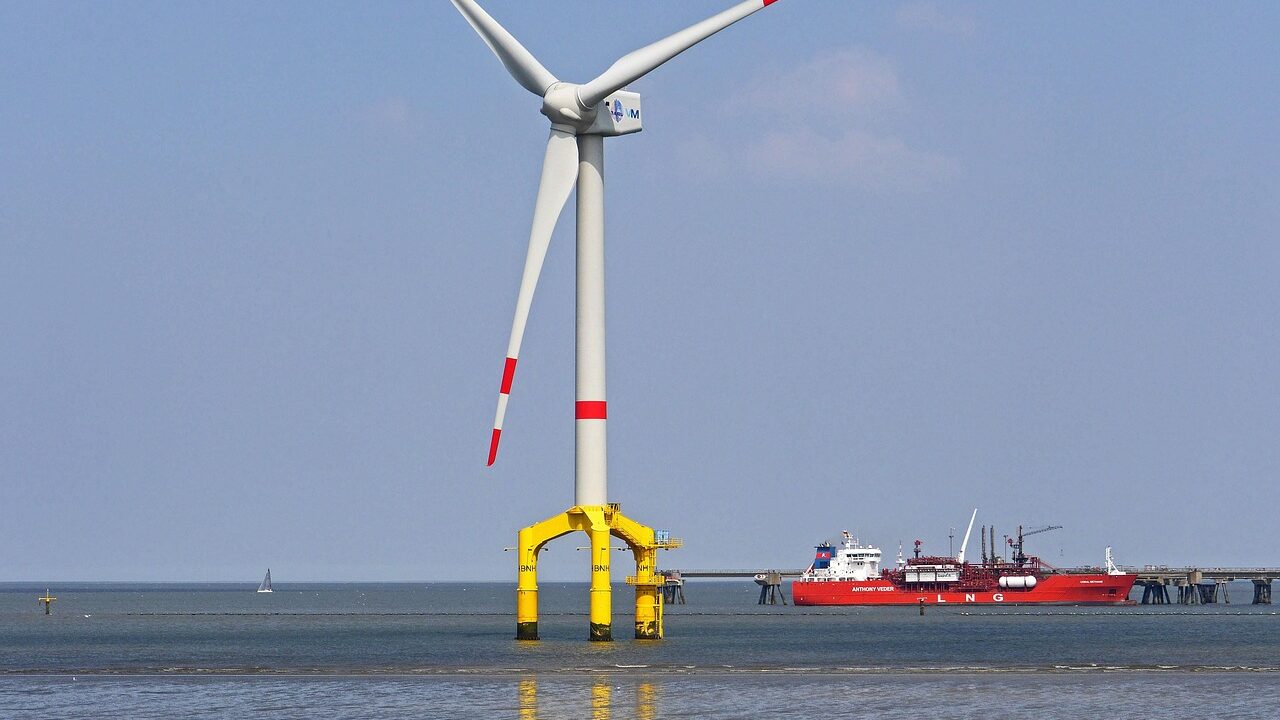
What makes offshore planning so difficult?
Offshore planning is a four-dimensional challenge, where every variable is volatile and interconnected. Projects involve coordinating multi-billion-dollar investments against a backdrop of constantly changing international laws, a hostile and changing natural environment, intricate global supply chains, and brutal financial pressures.
This is where the old-school methods of charts, spreadsheets, and low-resolution data come to fail.
The system is consistently proving to be too fragmented – leading to decision paralysis, costly delays, and a perpetual game of catch-up. To succeed, the offshore industries need a way to integrate, predict, and control these four core friction points from day one.
So, let’s take a look at what makes up each of these hurdles to offshore planning success.
1. Regulation limitations
Before considering anything else, let’s start at the top. Regulation is the key legally binding factor in offshore planning. Whether its environmental protection, zoning and site selection, or materials, construction and operations compliance, all offshore projects are subject to a network of regulations (both domestic and international).
These laws and guidelines are essential for keeping corporations and governments in-line. But the regulatory landscape for offshore development and operations is a complicated Gordian knot of differing, and often conflicting, interests and opinions. The question of who or what shapes this regulation is part of what makes it all so complicated.
As the identities and influences of these parties change, so too does the regulation itself; and changeable regulation is more difficult to navigate.
In the UK, the eventual Brexit changes brought offshore regulation back under national influence. New developments in British waters are subject to British law, compounded with potentially conflicting EU regulation and international guidelines.
What does environmental intelligence do?
Environmental Intelligence tools can act as a compliance co-pilot, streamlining the entire planning phase to ensure complete regulatory adherence from the outset.
By providing a single source of verified, high-resolution environmental data, EI eliminates the conflicting information that often complicates the regulatory knot. It offers dynamic monitoring capabilities, allowing stakeholders to track operations against ever-changing regulations.
This not only mitigates the risk of costly penalties or operational shutdowns; but also provides stakeholders and authorities with transparent, auditable evidence that projects are planned and executed to the highest environmental and zoning standards.
2. Environmental conditions
We can’t change the weather, and the environment dictates both the immediate- and long-term viability of any planned offshore operations. For a service vessel to leave port, or for a turbine to be correctly installed, the physical conditions must be favourable.
As it stands, most day-to-day operations are decided by weather forecasts, and manually managed using charts and spreadsheets filled with low-resolution wave-buoy data that informs the final go/no-go decision. But offshore operations projects are often planned months in advance, and this can come undone in the face of an unexpected turn in the weather. It costs projects time, resources, man hours, and cold-hard cash.
It’s not just offshore regulation that’s undergoing changes, as we mentioned earlier. The climate itself is going through some pretty high-profile changes itself, and these are inevitably impacting the reality of offshore operations too.
What does environmental intelligence do?
So, okay, we can’t change the weather. But we can eventually come to understand and predict it better.
Moving beyond low-resolution spreadsheets, next-gen Environmental Intelligence provides a deeper understanding of the marine environment using high-fidelity data and advanced physics-based models. This allows for superior predictions that incorporate precise seasonal and localised variability, enabling both immediate ‘go/no-go’ decisions and more robust long-term resource planning.
EI tools make this complex data accessible and user-friendly through intuitive platforms, replacing manual charting with dynamic, real-time insights. This capability allows project teams to anticipate climate-driven changes, drastically reducing weather-related downtime, cutting costs, and making offshore planning predictable and reliable for the entire operational life-cycle.
3. Complex logistics
The entire process of moving people, materials, and support vessels to an offshore site is a monumental exercise in coordination. We’re talking multi-level supply chains that often involve port-based hubs, floating logistics platforms, teams of specially-trained personnel, and a continuous flow of resources, all operating in a dynamic (sometimes hostile) marine environment.
Traditionally, logistics management relies on static, manual scheduling based on coarse data and low-resolution forecasts. The old-school approach frequently results in bottlenecks and congestion-driven scheduling delays during peak vessel utilisation.
The challenges are numerous: securing and coordinating highly specialised vessels, equipment and individuals, optimising routes to minimise fuel consumption (and therefore carbon emissions), and ensuring delivery reliability and decision clarity across all demand points.
When these logistics falter, it leads to costly project delays and increased operational expenditures. Ultimately, the complexity of this planning is what separates an efficient, on-budget operation from one that struggles against the relentless unpredictability of the ocean.
What does environmental intelligence do?
For complex logistics, Environmental Intelligence introduces dynamic route optimisation, transforming inefficient manual scheduling into a highly efficient, data-driven workflow.
By integrating real-time environmental data (such as wave height and wind speed) with historical/hindcast conditions data, EI platforms can calculate the most fuel-efficient route, and plan ahead for the clearest operational days.
This direct optimisation action cuts wasted resources and time, lowering operational costs and significantly reducing the project’s overall carbon emissions. The resulting operational streamlining helps to minimise port congestion and unexpected delays, ensuring that materials, personnel, and support vessels operate with maximised uptime and predictive efficiency.
4. Economic reality
While offshore projects represent a huge economic opportunity (driving investment, job creation, and energy security) they are also acutely vulnerable to global macro-economic pressures. In short, current geopolitical and supply chain issues are affecting the viability of offshore planning and operations.
Rising material costs, high interest rates, risky ventures, and intense supply chain bottlenecks for specialised vessels and critical components like export cables are putting severe pressure on profitability.
These vulnerabilities have been reflected in high-profile project cancellations and failed auctions across the industry – though more recent developments look promising again. The challenge lies in managing vast initial capital expenditure against an uncertain, volatile market.
Offshore developers also have to consider long-term economic factors, such as the operational costs of maintenance (which degrade rapidly for turbines) and the financial impact of environmental incidents or unexpected downtime due to weather. Mitigating these risks often requires complex financial mechanisms and transparent, dynamic pricing models that the traditional planning process simply can’t handle.
It’s complex, it’s slow, and it’s expensive. The financial viability of a project rests on its ability to minimise risk and maximise operational efficiency against these compounding pressures.
What does environmental intelligence do?
Environmental Intelligence directly addresses the economic reality by providing a critical tool for project de-risking. By generating accurate, transparent, and auditable data on environmental and logistical factors, EI reduces the huge uncertainty that plagues long-term financial models.
This ability to quantify and mitigate risks offers tangible peace of mind for stakeholders, investors, and insurers.
By turning environmental volatility into a predictable variable, EI helps to reduce the cost of capital, ensures projects meet their delivery timelines, and enhances the overall long-term certainty and profitability of the offshore asset.
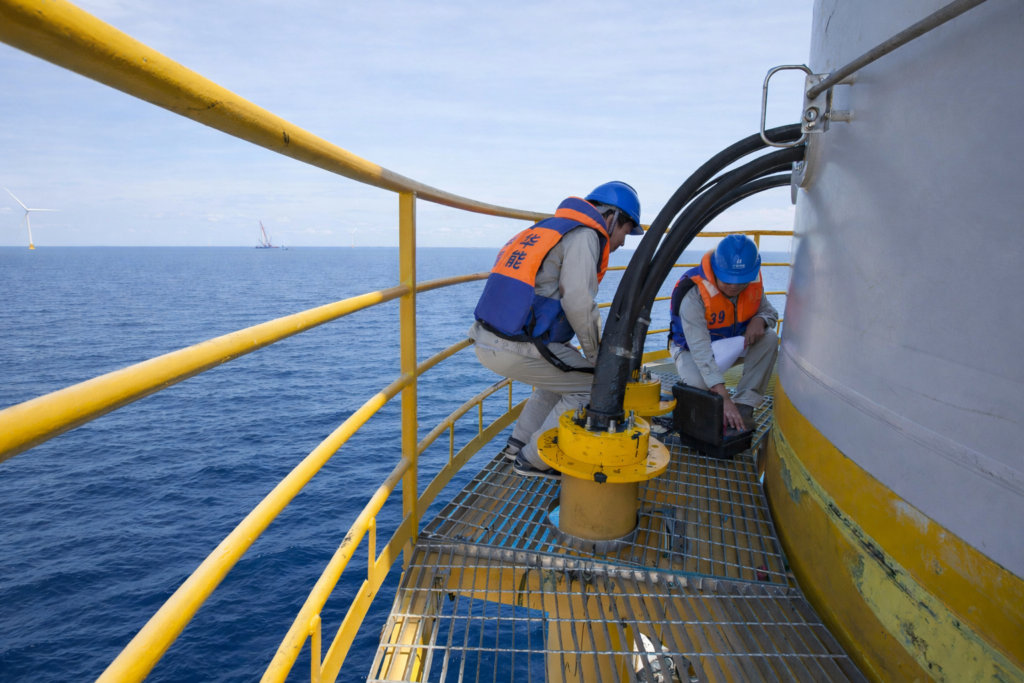
The traditional, fragmented approach to offshore planning, with its siloed data, static forecasts, and regulatory guesswork, is clearly no longer sustainable. Environmental Intelligence is the necessary evolution, moving the industry from reactive management to proactive certainty.
EI adoption marks the transition from risk-heavy to resilient offshore development; unlocking the next phase of smarter, data-driven marine energy.
By unifying the volatile variables of regulation, environment, logistics, and finance, EI provides the comprehensive foresight needed to de-risk projects, maximise efficiency, and guarantee long-term asset performance in the world’s most challenging environment.
The future of offshore planning starts with smarter data models.
Ready to turn offshore volatility into predictable certainty?
See how NeuWave’s EI platform provides high-resolution data and analytics based on real-time and reliable hind-cast conditions to de-risk your next offshore project, from planning to operations.